Projects / 23 November 2026
Plan technology for new builds and refurbishments
Plan cabling, networks, Wi-Fi, CCTV and connectivity with a Dubai technology partner before fit-out begins, for better coordination and long-term support.
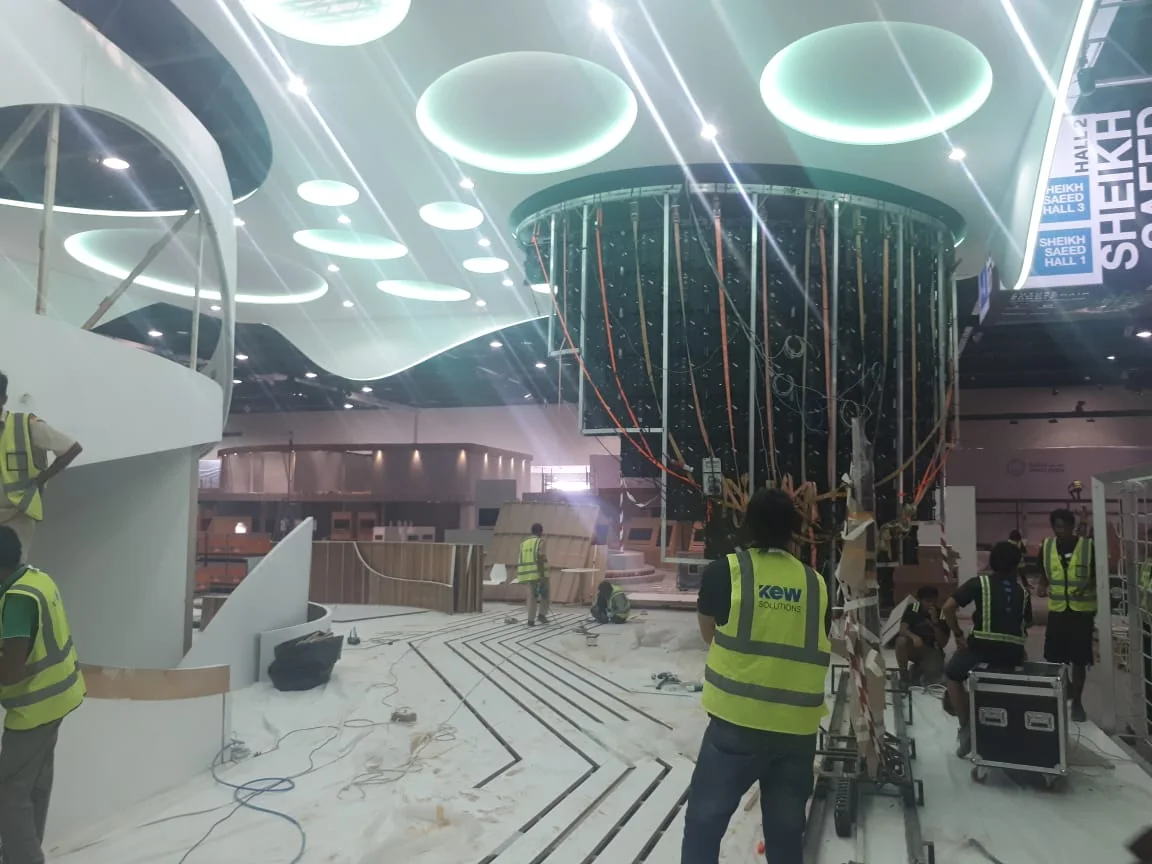
The best time to plan technology infrastructure is before the walls go up. In a new office, hotel, commercial development or refurbishment, the technical decisions made during planning affect how the finished space works and how easily it can change later.
An IT partner should be involved during the planning stages, not only when it is time to fit the equipment. Once ceilings, floors and walls are closed, moving a cable route, cabinet or device can mean extra work and disruption. Early coordination gives the project team time to consider those requirements while the design is still taking shape.
Why the technology plan starts before the fit-out
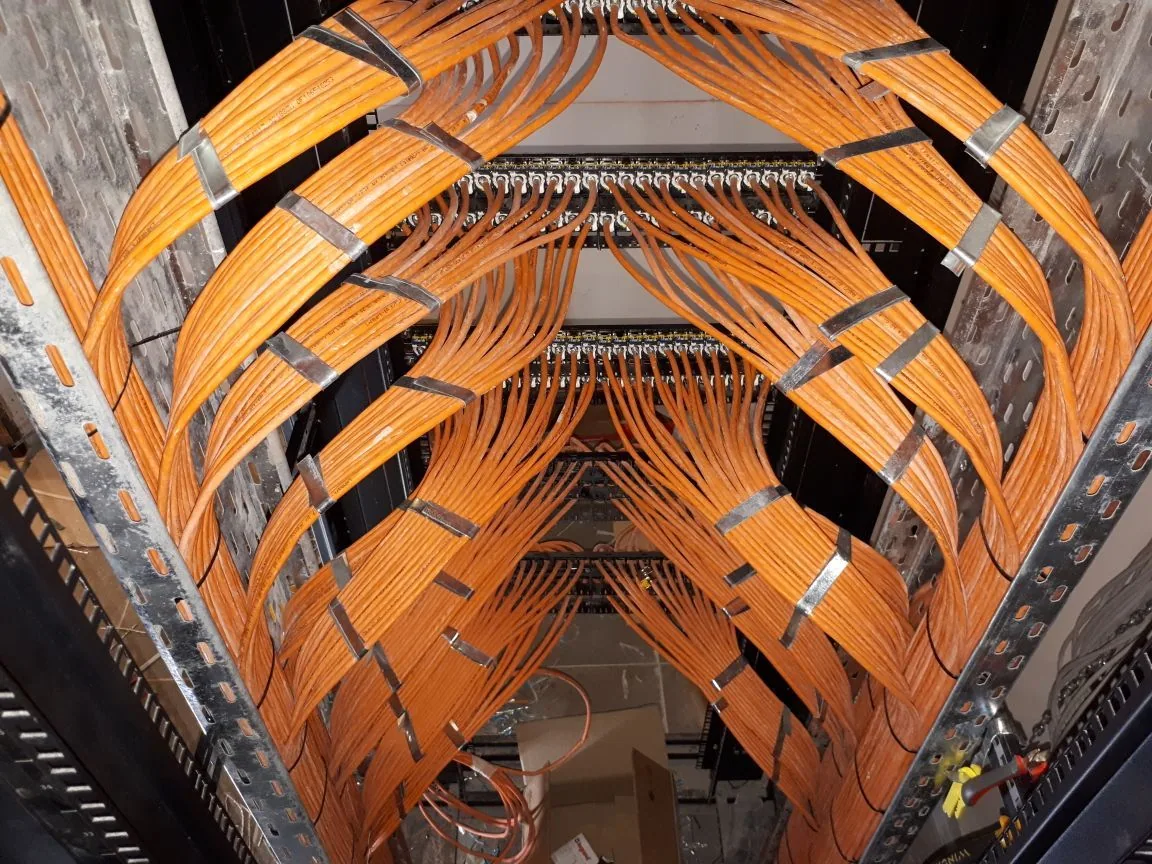
The technology in a building is connected to the building itself. Structured cabling needs suitable routes and pathways. Network cabinets need room, power, cooling and access. Wi-Fi access points, cameras, screens, door stations and other equipment need locations that work with the ceiling, layout and intended use of each area.
These decisions often involve more than one trade. A cable route can cross an electrical or mechanical route; a camera position may depend on a ceiling detail; a meeting room needs both network connections and a layout that works for the people using it. If technology requirements are added late, the available options may be limited by work that is already complete.
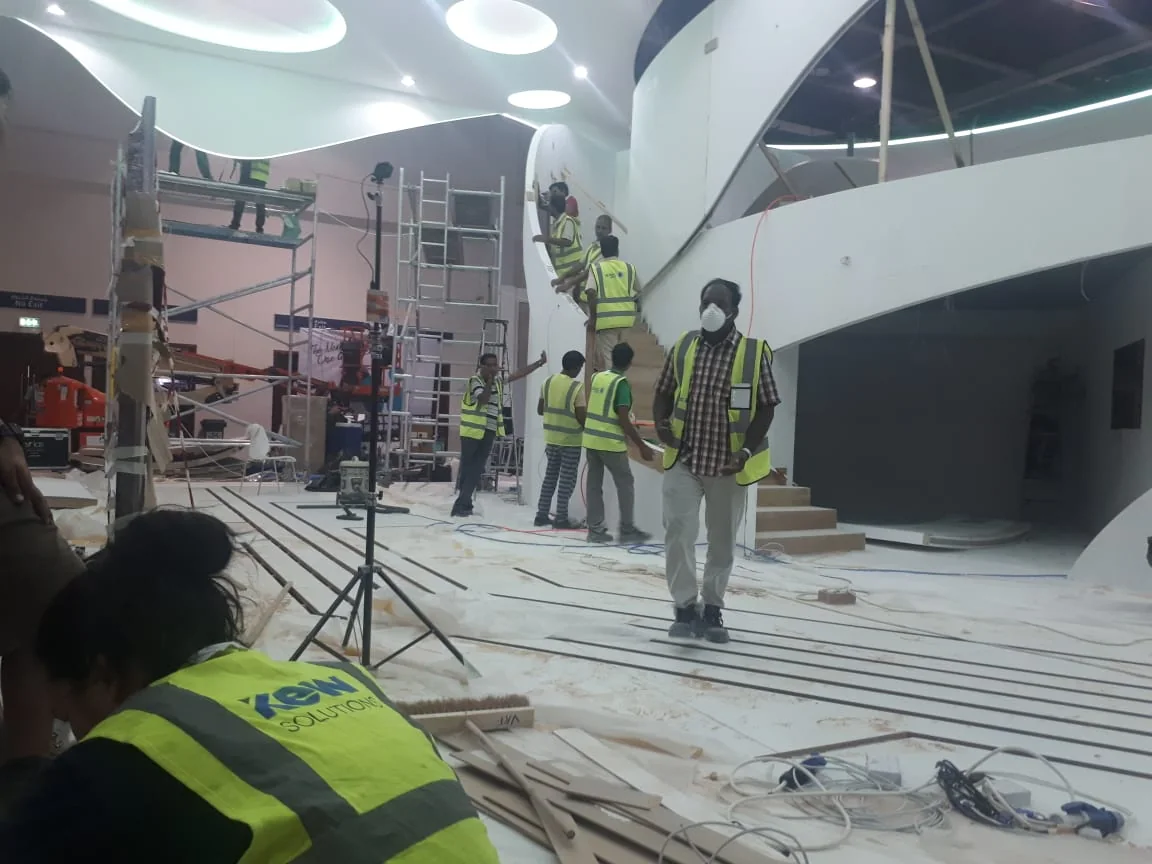
Technology requirements are easier to coordinate while the building and fit-out work are still in progress.
Bring the technical team in while plans can still change
The first step is to understand how the space will be used, not to choose equipment before the requirements are clear. A technical fit-out specialist can work with the developer, architect, fit-out contractor, project manager and the client’s IT team to translate those needs into locations, routes and responsibilities.
That early conversation can cover:
- How staff, guests, visitors and customers will use each area;
- Where network outlets, Wi-Fi access points, cameras, screens, phones and door systems may be needed;
- Where communications cabinets can be located and how they will be powered, cooled and accessed;
- How cabling and equipment relate to ceilings, containment, power and other building services;
- Which party supplies, installs, configures and tests each part of the system; and
- What drawings, test results, training and records are expected at handover.
Agreeing the scope and interfaces early helps each party understand what needs to be included in the programme. It also makes it easier to identify questions before they become site changes.
Coordinate technology with the other trades
On a new build or refurbishment, the IT partner needs to coordinate with the wider project team. This can include reviewing design information, agreeing routes and equipment positions, raising queries where details are unclear and aligning installation with the construction sequence.
The timing matters. Some infrastructure has to be installed before a ceiling or wall is closed. Other equipment can only be fitted once the relevant area is ready. Testing and configuration need the required power, network connections and access. If those dependencies are visible in the programme, the project team can plan the work rather than fitting technology around finished surfaces.
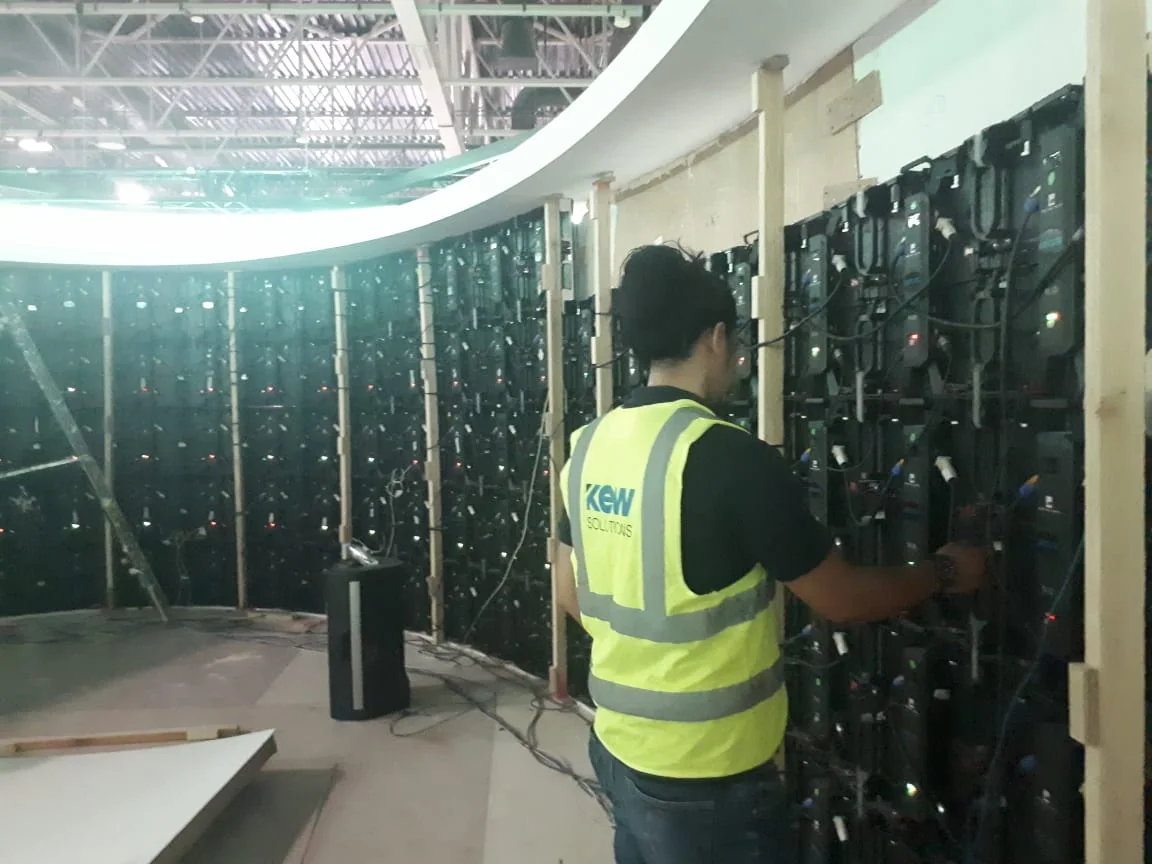
Installation and commissioning need to be coordinated with the work taking place around them.
Early involvement cannot remove every site change, but it can help reduce avoidable late decisions, repeated work and compromises caused by missing information. It also gives the project team a clearer view of who is responsible for each interface.
Plan for the finished space and the business that follows
A technology design should work on opening day and remain understandable as the business changes. A growing office may add users, meeting rooms or wireless devices. A hotel or commercial building may change how rooms are used. A refurbishment may need to connect new equipment to systems that are staying in place.
Flexibility does not mean installing more equipment than the business needs. It means making deliberate choices about pathways, cabinet space, outlet locations, network capacity and the records needed to support future changes. Labels, test results and as-built drawings help the next engineer understand what was installed and where it connects.
Those details support ongoing performance and make future upgrades easier to plan. When the installation is clearly documented, the business and its IT partner have a useful starting point for troubleshooting, expansion and maintenance instead of relying on guesswork.
From brief to handover—and support after
Kew can work with clients from the planning stage and stay involved through the project:
- Survey and design. Understand the site, requirements and drawings.
- Supply and install. Coordinate materials, installation and labelling with the programme.
- Test and commission. Configure and test the systems against the agreed requirements.
- Handover and support. Provide documentation and training, then discuss ongoing maintenance and support.
The exact scope depends on the project. Kew’s project services include structured cabling, networks, firewall and Wi-Fi, CCTV and SIRA, audio visual and other building technology. Bringing the technical partner into the planning conversation helps these systems be considered together, rather than as unrelated additions at the end.
When should you involve an IT partner?
Ideally, before the design and construction programme are fixed. If the fit-out is already under way, it is still useful to review the remaining decisions, access dates and system interfaces before work is covered or the space is handed over.
If you are planning a new office, hotel, commercial development or refurbishment in Dubai or elsewhere in the UAE, ask Kew to discuss the technology requirements while there is still time to coordinate them with the build.
Ask Kew
Questions about what you've just read? Ask Kew.
Not ready to change IT provider or start a project? Ask us anyway.
A quick technology question, advice on something you are planning, or a second opinion on your current setup. Free, no obligation, answered by a person.

Replies personally, usually within one working day.
Keep reading
Related insights
Data cabling in Dubai: why the hidden work matters
Why data cabling in Dubai matters: plan routes, label links, test performance and document the network so faults are easier to trace.
Read moreStarlink as a business internet backup in Dubai
Starlink installation and backup internet for Dubai businesses: when it adds path diversity, what can still fail, and how Kew plans and tests failover.
Read moreSIRA VideoGuard and eGuard: what it is and why your CCTV needs one
What the SIRA VideoGuard (eGuard) device does, which premises need one, the certificates involved, and when a VMS is required under Dubai's CCTV rules.
Read more