
Projects / 27 December 2024
Understanding SIRA Regulations for CCTV Installation in Dubai
Learn about SIRA regulations for CCTV installation in Dubai, key requirements, steps, and compliance guidelines to ensure a secure and lawful setup.
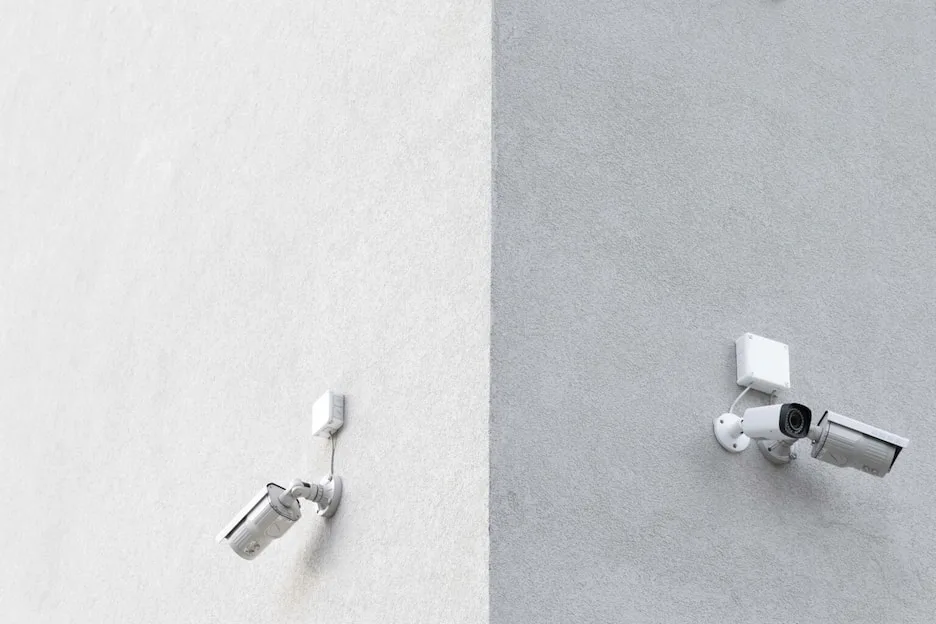
Security and safety are paramount in Dubai, a city known for its rapid growth and innovative infrastructure. The Security Industry Regulatory Agency (SIRA) plays a vital role in ensuring that all surveillance systems comply with stringent standards to enhance safety and security. This blog explores the nuances of SIRA regulations for CCTV installation in Dubai, providing businesses and individuals with a comprehensive guide to compliance.
What is SIRA and Why It Matters
SIRA (Security Industry Regulatory Agency) is a governmental body in Dubai responsible for regulating and overseeing security services, including CCTV installations. Established to maintain the safety and security of residents, businesses, and visitors, SIRA ensures that surveillance systems are efficient, reliable, and meet global standards.
Why SIRA Matters
- Enhanced Security: SIRA’s stringent regulations ensure that CCTV systems deter crime effectively.
- Legal Compliance: Non-compliance with SIRA’s standards can lead to legal consequences, including fines and business license revocation.
- Quality Assurance: By mandating the use of high-quality equipment and certified installers, SIRA guarantees reliable surveillance systems.
For businesses in Dubai, adhering to SIRA guidelines is not just a legal necessity but also a step toward safeguarding assets and ensuring public safety.
Is SIRA Compliance Mandatory?
Yes, SIRA compliance is mandatory for all businesses in Dubai installing CCTV systems. The agency’s regulations apply to:
- Commercial Establishments: Retail stores, offices, and malls.
- Industrial Facilities: Factories, warehouses, and plants.
- Hospitality Venues: Hotels, restaurants, and entertainment hubs.
- Residential Complexes: Apartments and gated communities with shared facilities.
Non-compliance can result in severe penalties, including fines and potential operational shutdowns. It is crucial to partner with SIRA-approved companies, such as Kew Solutions, to ensure adherence to all regulations.
Key SIRA Requirements for CCTV Installation
SIRA outlines comprehensive guidelines to standardise CCTV installations. Below are the primary requirements:
- Approved Equipment: Cameras and associated equipment must be on SIRA’s list of approved devices.
- Camera Placement: Strategic positioning of cameras to ensure comprehensive coverage without infringing on privacy.
- Storage Capacity: Systems must retain footage for a minimum of 31 days.
- Resolution Standards: Cameras must meet specific resolution and frame rate criteria to ensure clarity.
- Connectivity and Integration: Systems should be capable of seamless integration with other security measures.
For more information, refer to SIRA’s official guidelines.
Steps to Obtain SIRA Approval for CCTV Installation
Obtaining SIRA approval involves several structured steps:
1. Preliminary Site Assessment
- Conduct an assessment to identify surveillance needs.
- Engage a SIRA-approved installer to evaluate the site’s specific requirements.
2. Document Submission
- Submit essential documents, including:
- Trade license.
- Detailed site layout.
- Proposed camera placement plans.
3. Technical Inspections
- SIRA officials will inspect the installation site to ensure it meets technical and regulatory standards.
4. Certification and Compliance Approval
- Upon successful inspection, SIRA issues a compliance certificate, allowing the system to operate legally.
This process underscores the importance of working with experienced professionals to streamline approval.
Maintaining Compliance Post-Installation
Compliance doesn’t end with installation. Regular maintenance and adherence to evolving standards are essential.
Key Activities
- Routine Inspections: Periodic checks by SIRA to ensure systems remain compliant.
- System Upgrades: Incorporating new technologies to maintain efficiency and compliance.
- Documentation Maintenance: Keeping detailed records of system configurations and updates.
- Audits: Annual audits to validate ongoing adherence to SIRA requirements.
FAQs
Can individuals install CCTV cameras at home without SIRA approval?
Private residences are generally exempt from SIRA approval. However, cameras must not infringe on the privacy of neighbours or public spaces.
How long does the SIRA approval process typically take?
The process can take between 2 to 4 weeks, depending on the complexity of the project and documentation accuracy.
What penalties exist for non-compliance?
Penalties for non-compliance include hefty fines, mandatory system modifications, and potential business license suspension.
Conclusion
Understanding and adhering to SIRA regulations for CCTV installation in Dubai is critical for legal compliance, enhanced security, and operational efficiency. From initial planning to post-installation maintenance, partnering with experts like Kew Solutions ensures a hassle-free process. For SIRA-compliant CCTV installation services tailored to your needs, contact us or book a call.
For the monitoring connection, certificates and recorder thresholds, read SIRA VideoGuard and eGuard explained.
Keep reading
Related insights
SIRA VideoGuard and eGuard: what it is and why your CCTV needs one
What the SIRA VideoGuard (eGuard) device does, which premises need one, the certificates involved, and when a VMS is required under Dubai's CCTV rules.
Read moreWhat Kind of Servers Do I Need for an Office Setup?
Learn how to choose between on-premises, cloud, and hybrid servers while meeting UAE regulatory and data residency standards for you office setup.
Read moreChoosing an Attendance System For Your Office
Choosing an attendance system for a DIFC or ADGM office? Compare biometric, RFID, and cloud options, integrations, and key privacy/security checks.
Read more


Ask Kew
Questions about what you've just read? Ask Kew.
Not ready to change IT provider or start a project? Ask us anyway.
A quick technology question, advice on something you are planning, or a second opinion on your current setup. Free, no obligation, answered by a person.

Replies personally, usually within one working day.